
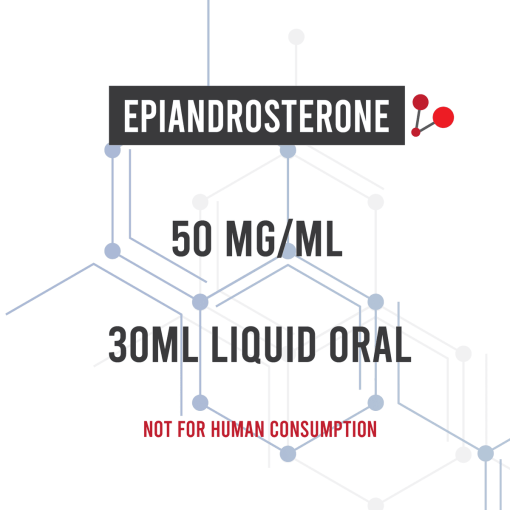

EPIANDROSTERONE
Description
Epiandrosterone is a naturally occurring steroid hormone metabolite derived from dehydroepiandrosterone (DHEA) and testosterone pathways. It belongs to the androgen class of steroids and is produced in small amounts by the human adrenal glands, gonads, and peripheral tissues. In biological systems, epiandrosterone functions primarily as a weak androgen and an intermediate metabolite in steroid hormone metabolism rather than as a primary active hormone.
From a biochemical standpoint, epiandrosterone is classified as a 5α-androstane steroid. It is structurally related to dihydrotestosterone (DHT) derivatives, which means it shares similarities with more potent androgens but exhibits significantly lower androgenic activity. In most physiological contexts, its direct androgen receptor activation is weak, and its effects are often considered minimal compared to testosterone or DHT.
Epiandrosterone is primarily formed through metabolic reduction processes involving adrenal precursors such as DHEA and androstenedione. Once produced, it can circulate in the bloodstream and may be further metabolized into other androgenic or inactive compounds. Because of its position in the steroid pathway, it is often studied as a biomarker of adrenal and gonadal steroid metabolism.
In addition to its endogenous presence, epiandrosterone has also been explored in research contexts for its potential effects on energy metabolism, mood regulation, and neurosteroid activity. Some studies suggest it may interact indirectly with neurotransmitter systems, although these effects are not fully understood and are generally considered mild compared to other neuroactive steroids.
Unlike potent anabolic-androgenic steroids, epiandrosterone does not exhibit strong muscle-building or performance-enhancing properties in humans. Its weak androgenic profile limits its physiological impact in terms of significant anabolic outcomes. As a result, it is not used clinically as a primary therapeutic agent for hormone replacement or disease treatment.
From a regulatory perspective, epiandrosterone’s status varies by region. In some jurisdictions, it is categorized as a dietary supplement ingredient or research compound, while in others it may fall under broader anabolic steroid regulations due to its structural relationship to androgenic hormones. This variability reflects ongoing uncertainty about its classification and intended use outside of natural human physiology.
In terms of safety, endogenous levels of epiandrosterone are generally well tolerated as part of normal metabolism. However, exogenous use in concentrated or synthetic form has not been extensively studied in long-term human trials. Therefore, its safety profile at supraphysiological exposure levels is not fully established.
Overall, epiandrosterone is best understood as a weak endogenous androgen metabolite involved in steroid hormone pathways rather than a potent hormonal agent. Its primary relevance lies in endocrinology and biochemical research rather than clinical therapy or performance applications.
Be the first to review “Epiandrosterone”
Related products
PRO HORMONES
PRO HORMONES
PRO HORMONES

PRO HORMONES
Reviews
There are no reviews yet.