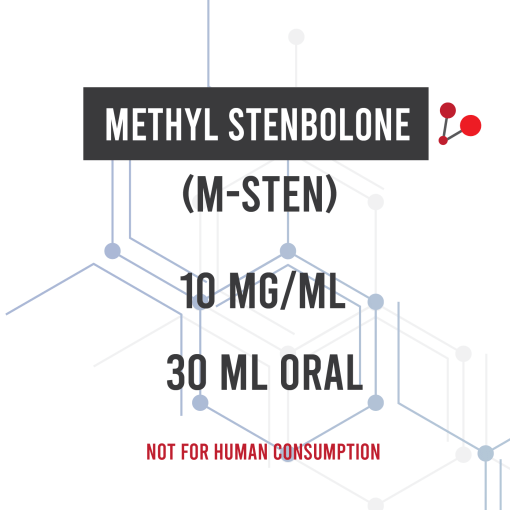
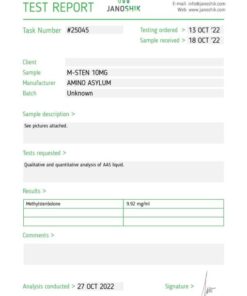
METHYLSTENBOLONE (M-STEN)
Description
Methylstenbolone (often abbreviated as M-Sten) is a synthetic anabolic-androgenic steroid (AAS) that belongs to the class of 17-alpha alkylated compounds designed to enhance oral bioavailability. It is structurally related to other potent anabolic agents and is known for its strong binding affinity to androgen receptors, which significantly amplifies anabolic activity in muscle and strength-related tissues.
Originally developed in research settings, methylstenbolone was never approved for medical use in humans due to its high potency and unfavorable safety profile. Despite this, it has gained attention in underground and non-clinical performance enhancement circles because of its pronounced anabolic effects, particularly in short-term applications. Its chemical structure allows it to resist rapid breakdown in the liver, making it orally active, but also increasing hepatic strain.
Methylstenbolone functions by binding to androgen receptors in skeletal muscle tissue, triggering increased protein synthesis, nitrogen retention, and enhanced cellular recovery processes. These mechanisms contribute to rapid changes in muscle mass and strength in experimental contexts. However, these same mechanisms also place significant stress on multiple physiological systems, especially when used outside controlled research environments.
One of the defining characteristics of M-Sten is its extreme potency relative to many other anabolic compounds. Even at low exposure levels, it exhibits strong anabolic signaling activity. This intensity, while contributing to noticeable physical changes, is also associated with a higher likelihood of adverse reactions compared to milder anabolic agents.
From a safety perspective, methylstenbolone is considered highly hepatotoxic due to its 17-alpha alkylated structure, which places strain on liver function during metabolism. Elevated liver enzymes, cholestatic stress, and other markers of hepatic distress have been associated with compounds in this category. Additionally, suppression of natural testosterone production is a common effect of potent anabolic steroids, often requiring extended recovery periods after exposure.
Other commonly discussed risks in the literature surrounding similar compounds include negative impacts on lipid profiles, cardiovascular strain, increased blood pressure, and potential endocrine disruption. Because of its strength, methylstenbolone is not regarded as suitable for therapeutic use, and its presence is primarily limited to non-medical and research contexts.
In terms of regulation, M-Sten is not approved for prescription use and is often classified under broader controlled substance frameworks in many regions. This restricts its availability in legitimate pharmaceutical markets and places it outside standard medical treatment protocols.
Despite its reputation for rapid performance-related effects in anecdotal reports, methylstenbolone remains a compound of significant concern from a health and safety standpoint. The lack of clinical approval means there is limited structured human data on long-term outcomes, and most available information is derived from preclinical studies or non-controlled observations.
For these reasons, methylstenbolone is generally discussed in scientific and regulatory contexts as a high-risk anabolic agent with a profile that prioritizes potency over safety. Its use is not supported in medical practice, and it is primarily referenced in discussions of performance-enhancing substances, pharmacology, and endocrine research.
Be the first to review “METHYLSTENBOLONE (M-STEN)”
Related products
PRO HORMONES

PRO HORMONES
PRO HORMONES
PRO HORMONES
Reviews
There are no reviews yet.