
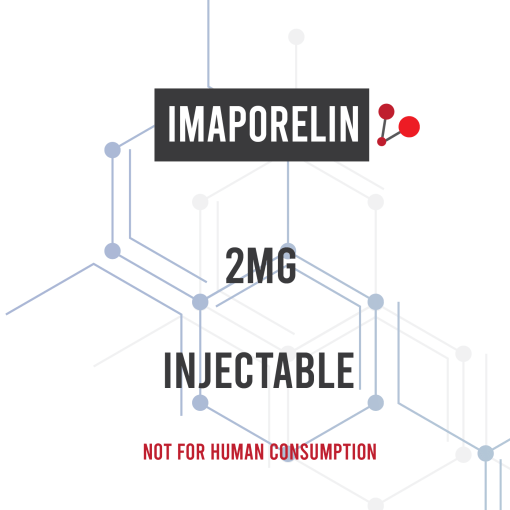

IPAMORELIN 2MG
Description
Ipamorelin is a synthetic growth hormone secretagogue peptide that acts by stimulating the release of endogenous growth hormone (GH) from the pituitary gland. A “2MG” designation typically refers to the total amount of lyophilized peptide contained in a vial used in research or laboratory contexts, rather than a standardized or approved clinical dosing format.
Ipamorelin belongs to a class of compounds known as growth hormone secretagogues (GHS), which mimic the action of the hormone ghrelin by binding to the growth hormone secretagogue receptor (GHS-R1a). This interaction signals the pituitary gland to increase pulsatile secretion of growth hormone, which then influences downstream production of insulin-like growth factor-1 (IGF-1), a key regulator of tissue growth and metabolic function.
One of the distinguishing features of ipamorelin within its class is its relative selectivity. In experimental research, it is often described as having a more targeted effect on growth hormone release with minimal influence on other pituitary hormones such as cortisol or prolactin. This receptor selectivity has made it a frequent subject of interest in endocrine and metabolic research models.
The biological effects associated with increased growth hormone secretion include enhanced protein synthesis, lipolysis (fat metabolism), and support for tissue repair processes. These effects are mediated indirectly through growth hormone and IGF-1 signaling pathways rather than direct anabolic receptor activation.
Ipamorelin is typically studied in injectable form due to its peptide structure, which would be degraded in the gastrointestinal tract if taken orally. Its action is characterized by a relatively short half-life but a physiological pattern of stimulating natural, pulsatile growth hormone release rather than sustained supraphysiological elevation.
In research contexts, ipamorelin is often compared to other growth hormone secretagogues due to its favorable signaling profile and reduced impact on hunger and other off-target pathways relative to older compounds in the same category. However, its overall clinical significance remains under investigation.
It is important to note that ipamorelin is not an approved medication for human therapeutic use by major regulatory authorities such as the FDA or EMA. There are no established medical dosing guidelines for general clinical practice, and its long-term safety profile in humans has not been fully defined through large-scale clinical trials.
Reported effects in experimental and anecdotal contexts include increased recovery rates, changes in body composition, and mild transient effects related to growth hormone elevation such as tingling sensations or increased appetite in some cases. However, these observations are not confirmed as consistent clinical outcomes.
Because of limited regulatory approval and incomplete human safety data, ipamorelin is generally classified as a research-use-only compound in most jurisdictions. Its use remains primarily within experimental endocrinology and metabolic research settings.
In summary, ipamorelin 2MG is a synthetic growth hormone secretagogue peptide studied for its ability to stimulate endogenous growth hormone release through ghrelin receptor pathways. While it is widely discussed in research contexts, it remains unapproved for clinical use with limited long-term safety validation.
Be the first to review “IPAMORELIN 2MG”
Related products

PEPTIDES
PEPTIDES
PEPTIDES
PEPTIDES
PEPTIDES
PEPTIDES

PEPTIDES
PEPTIDES
Reviews
There are no reviews yet.